Arizth: Commanding Attention with Gothic Display Power
A Typeface Forged in Medieval Tradition
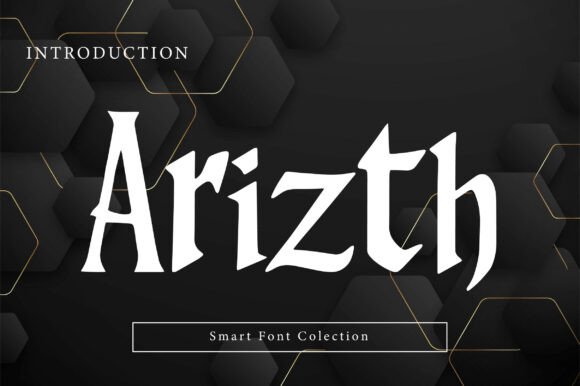
When you first encounter Arizth, you immediately sense its weight and history. This isn't just another serif font—it's a display font with roots in blackletter calligraphy and medieval manuscript traditions. The sharp serifs and angular cuts give Arizth an unmistakable presence, one that feels both ancient and purposeful. Every letterform carries a handcrafted quality that speaks to centuries of typographic evolution while remaining surprisingly functional for contemporary design work.
What makes Arizth stand apart from other premium fonts in its category is its balance between dramatic personality and practical legibility. Many blackletter-inspired typefaces sacrifice readability for aesthetic impact, but Arizth maintains clear letter differentiation even at smaller display sizes. The bold structure and confident strokes create a typeface that commands attention without becoming illegible—a critical quality for any designer working across multiple media formats.
Where Arizth Finds Its Voice
Think about the last time a movie poster, game title, or book cover made you stop and look twice. Chances are, the typography played a significant role in that reaction. Arizth excels precisely in these high-impact scenarios where visual hierarchy and emotional resonance matter most. Fantasy game developers reach for this creative font when they need titles that feel epic and immersive. Publishers use it for book covers in historical fiction, dark fantasy, and horror genres where the typography itself sets the tone before readers even open the first page.
Beyond entertainment, Arizth serves brands with dark, historical, or artisanal identities. Craft breweries, medieval-themed restaurants, heritage brands, and independent record labels all benefit from the font's ability to communicate authenticity and depth. In logo design, Arizth creates marks that feel established and authoritative—qualities that help new brands appear trustworthy and experienced. For packaging design, particularly in specialty food, spirits, or handcrafted goods, this typeface adds a layer of perceived value that generic fonts simply cannot match.
Consider these practical applications where Arizth delivers exceptional results:
- Album artwork for metal, folk, ambient, and orchestral genres
- Event posters for Renaissance fairs, themed parties, and theatrical productions
- Brand identity for tattoo studios, blacksmith shops, and artisan craftspeople
- Social media graphics promoting fantasy novels, RPG campaigns, or historical content
- Editorial design for magazine features on medieval history, fantasy culture, or gothic aesthetics
Designing with Intention and Impact
Working with a display typeface like Arizth requires thoughtful approach. Because it carries such strong visual personality, it works best when given room to breathe. Pair it with a clean sans serif font or a simple script font for body text—Arizth should dominate headlines and titles, not compete with paragraphs of running copy. A font pairing strategy might include something like a geometric sans serif for supporting text, allowing Arizth's medieval character to anchor the design's emotional center without overwhelming the entire composition.
When evaluating whether Arizth fits your project, consider your audience's expectations and your brand's positioning. This display font communicates intensity, tradition, and dramatic flair. If your project calls for lightness, minimalism, or contemporary corporate polish, Arizth probably isn't the right choice. But if you want typography that evokes mystery, craftsmanship, or historical depth, few design assets deliver that message as effectively.
Testing and Implementation Tips
Before committing to Arizth for any commercial project, test it across your specific use cases. Set your actual headlines and titles—not just placeholder text—to evaluate how the letterforms interact with your particular words. Some letter combinations in blackletter-inspired fonts create unexpected visual rhythms that either enhance or complicate readability. Check the included styles and character sets to ensure Arizth supports any special characters or language requirements your project demands.
Licensing matters for professional work. Arizth is a commercial font, so verify that your license covers all intended applications—whether that's print, digital, merchandise, or broadcast. Many designers overlook this step and face complications later when scaling a brand identity across new channels. A single upfront investment in proper licensing protects your creative work and your client relationships down the road.
Building Memorable Visual Identities
Strong brand identity relies on consistency and recognition. When Arizth becomes part of your typographic system, it creates an immediate visual signature that audiences learn to associate with your content. Fantasy content creators who consistently use this typeface across book covers, merchandise, and web design elements build a cohesive aesthetic that strengthens audience loyalty. The font's distinctive personality becomes shorthand for the quality and tone your audience expects.
In modern typography, the most successful brands don't chase trends—they choose typefaces that authentically represent their values and voice. Arizth serves a specific niche exceptionally well. It doesn't pretend to be universal, and that specificity is its greatest strength. For designers, marketers, and creative professionals working in spaces where dark fantasy, historical themes, or artisanal craftsmanship define the brand, Arizth isn't just a font choice—it's a strategic decision that shapes how audiences perceive and remember your work.
The difference between good design and great design often comes down to typography that feels intentional. Arizth gives you the tools to create visual hierarchy that guides the eye, establishes mood, and communicates brand values without a single word of supporting copy. That's the real power of a well-crafted display typeface—it does heavy lifting that other design assets cannot replicate.